On April 29, the Supreme Court of the United States struck down a Louisiana voting map, citing it was the product of unconstitutional racial gerrymandering. In a 6-3 split, the majority asserted that the decision was made in desperation to preserve a central part of the Voting Rights Act.
As a result, the ruling will make it harder for lawmakers to create majority-minority voting districts, a crucial strategy to help minority communities elect candidates of their choosing.
In the majority opinion, Supreme Court Justice Samuel A. Alito Jr. wrote that the court had maintained Section 2 of the Voting Rights Act, which protects the creation of minority-majority districts, but Louisiana’s redistricting violated the equal protection clause of the Constitution. For decades, states have used this act in order to protect minority voters’ ability to elect candidates.
In defense of the decision, Justice Alito gave the reasoning that the Voting Rights Act only prevents lawmakers from drawing maps that deliberately limit the power of minority voters. In order to challenge district maps under this new ruling, Justice Alito argued challengers would need to show sufficient evidence supporting a “strong interference” that a state “intentionally drew its districts to afford minority voters less opportunity because of their race.”
In opposition of the decision, Justice Elena Kagan countered that it would be almost impossible to use race when drawing up voting maps. She wrote, “the court’s decision will set back the foundational right Congress granted of racial equality in electoral opportunity.”
Race plays a significant part in the process of redistricting state maps. Voters of color tend to have different candidate or policy preferences from their white counterparts, and redistricting is a system that ensures those voices are not sidelined. Many legislators disenfranchise voters of color, deliberately drawing their maps to diminish the political power of minorities and reduce access to representatives who serve their interests.
This decision also reflects a broader trend in recent years of lawmakers attempting to constrict voting requirements across the country. Many states have proposed or passed stricter voter ID laws and additional document requirements, such as providing birth certificates or proof of citizenship, in order to register to vote. Many of these policies disproportionately impact elderly voters, low-income individuals and minority communities, many of whom have difficulty accessing these documents, ultimately lowering voter turnout among already underrepresented groups.
The Supreme Court’s ruling marks a major shift in how race can be considered in the redistricting process and raises serious questions about minority representation in American elections. Supporters argue the decision reinforces constitutional protections against race-based map drawing, while critics fear it weakens key safeguards established by the Voting Rights Act.
With primary elections right around the corner, the effects of this decision will likely reshape political power, voter representation and the ongoing national debate surrounding voting rights for years to come.
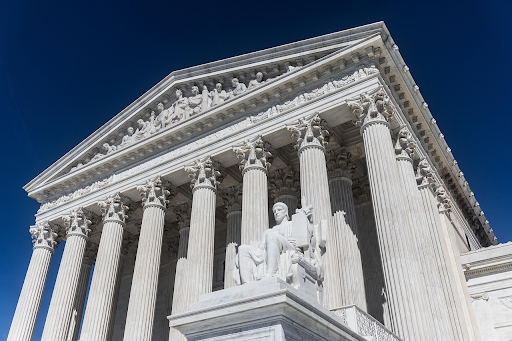
Photo Credit: Mark Thomas