On May 1, Sisterhood DU hosted their first career panel, which highlighted the accomplishments of several different Black women in their respective fields. This student organization aims to uplift and empower Black women and femme-identifying people on campus and beyond.
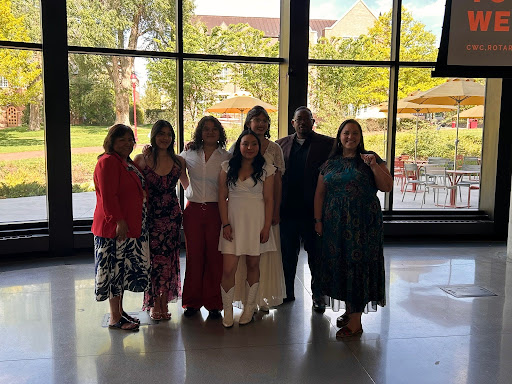
While enjoying catering from Teriyaki Madness, attendees had the opportunity to hear career advice and stories from four professionals in different fields. Panelists included Anthea Johnson Rooen, Dr. Sheila Carter-Tod, alongside Dr. Amira Del Pino-Jones and Yarkenda Payne. Each panelist brought their different and wide range of expertise to the event, engaging with students and their diverse interests.
Rooen is currently the Director of Equity in STEM at DU and a co-founder of Sistah Network, an organization dedicated to uplifting Black graduate students at DU.
Dr. Carter-Tod is an English professor at DU and also serves as the director of the Black Studies minor, which she created at the university.
Dr. Del-Pino Jones is a practicing hospitalist and an associate professor at the University of Colorado Anschutz campus.
Payne currently serves as the Director of Justice for Black Coloradans (JBC), an organization dedicated to addressing systemic inequality for Black people across the state and the rest of the nation.
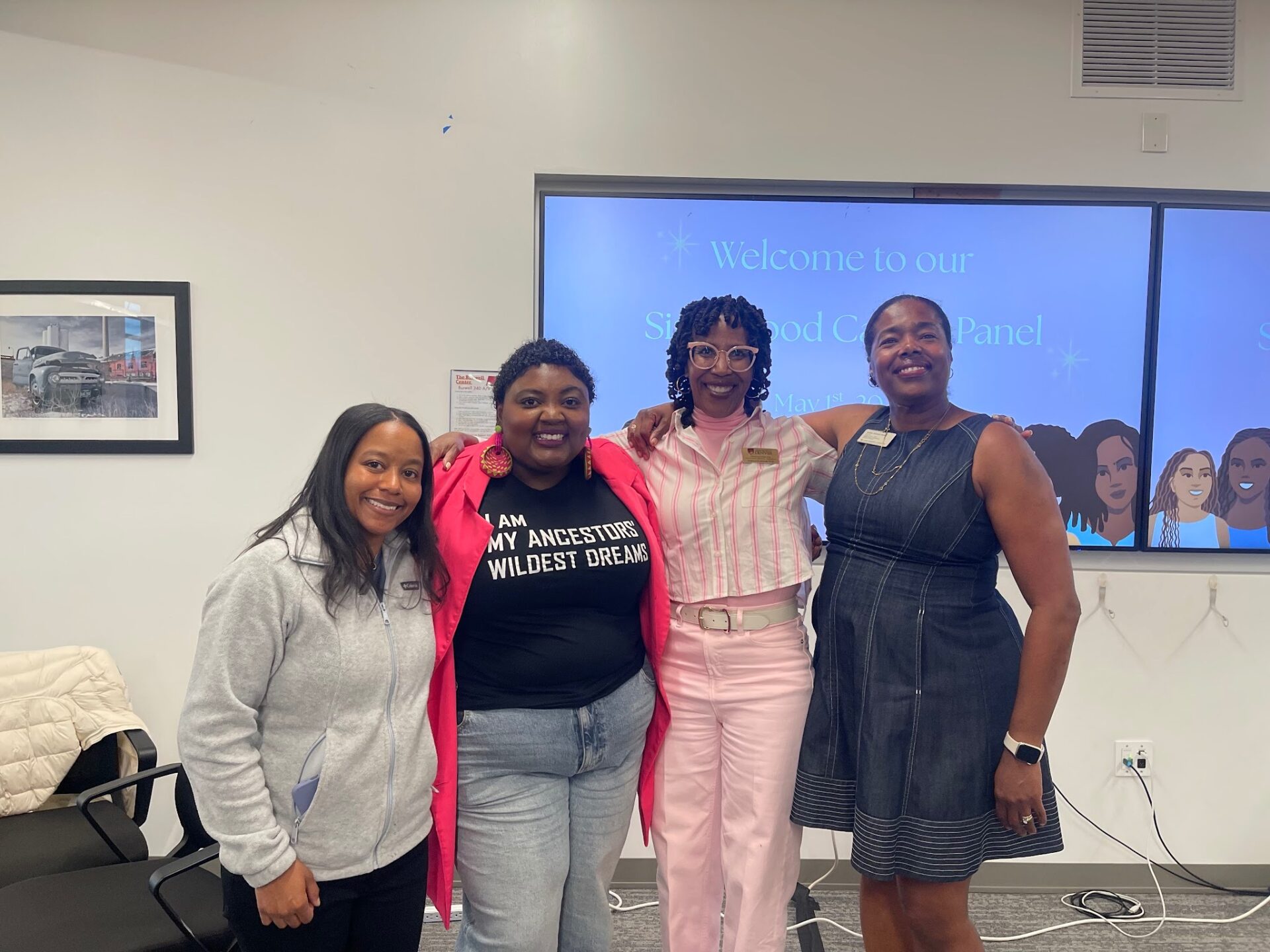
When asked about the barriers they face in their fields, panelists reflected on different parts of their careers, from health care to higher education. All answers seemed to address the systemic inequalities that exist and prevail in society today that create institutionalized barriers for Black women.
“If we’re talking about colonization, racism, segregation or what just happened this week when the Supreme Court made a decision that really shifts the way that voting power happens in this country for Black folks… working in policy and understanding that racism is designed through policy,” Payne said.
Payne referenced the recent decision by the United States Supreme Court that struck down a Louisiana congressional map with two majority Black districts, ultimately weakening Section 2 of the Voting Rights Act of 1965.
Payne added that it can be extremely difficult to try to redesign these systems within her field. The other panelists shared these sentiments and similar difficulties they have faced as they navigate their careers as Black women.
While a large part of the panel focused on discussing how to handle systemic barriers in fields that were not historically built for Black women, there was also an emphasis on sharing joy and hope. This positivity occurred with the celebration and acknowledgment of the accomplishments of the panelists and attendees or sharing tips for self-care.
“I think you have to think about how much you can really handle, and if you’re gonna say yes to something, you have to say yes with a happy heart, “ Rooen said. She followed up with an anecdote about her love for hobbies and outlets outside of work such as karate.
The other panelists discussed their own difficulties with forming a work-life balance and how this is a constant and ongoing process.
Afterward, students were invited to talk with the panelists, all of whom were more than happy to share business cards or recommendations on other advisors to talk to.
As the school year winds down, Sisterhood plans to have events for students to relax, decompress and enjoy the weather. For more information, join their Crimson Connect or follow them on Instagram.