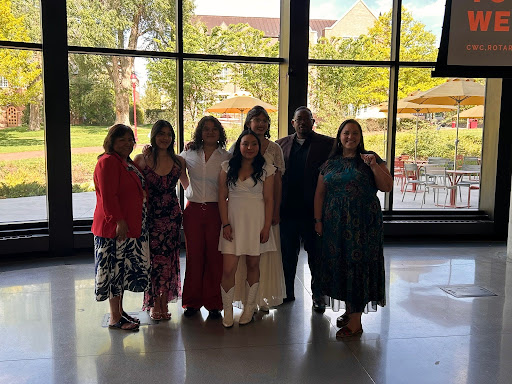
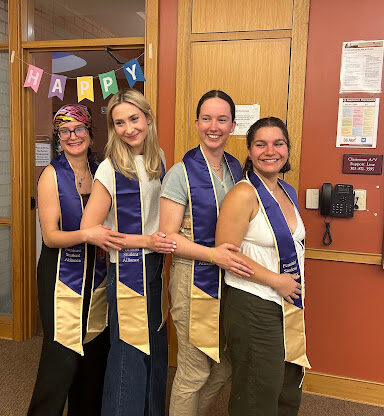
May is nationally known as Asian American, Native Hawaiian, Pacific Islander, Desi American (AANHPIDA) Heritage Month, celebrating heritage and history.
In 1992, the George H.W. Bush administration designated May as Asian/Pacific American Heritage Month with the passing of Public Law 102-450. In 2009, it was renamed as Asian American Pacific Islander (AAPI) Month, but today many people refer to this month as AANHPIDA to explicitly include Native Hawaiian and South Asian populations that are often overlooked within broader Asian identities.
The month was chosen because of its significance for many Asian American communities. May 7, 1843 commemorates the immigration of the first Japanese people to the United States. Golden Spike Day, which celebrates the completion of the transcontinental railroad, is observed on May 10. The construction, completed in 1869, was built with significant contributions from Chinese American workers.
In many cases, Asian populations in the United States have been met with intense racism and xenophobia. During World War II, those of Japanese descent, no matter their citizenship status, were unconstitutionally incarcerated in internment camps across the nation after the attacks on Pearl Harbor.
At the beginning of the COVID-19 pandemic, racist rhetoric about the origins of the Coronavirus led to a spike in anti-Asian violence. South Asian Americans have reached new heights of political visibility, with former Vice President Kamala Harris and New York City Mayor Zohran Mamdani among the most prominent examples. Yet, anti-Asian and anti-Muslim sentiment spread by political figures has fueled a rise in verbal harassment and hate, especially among online communities.
AANHPIDA Heritage Month is about overcoming these challenges and celebrating the numerous feats of AANHPIDA people. Throughout American history, the community has been a strong force in various political and social movements.
To honor those who have come before them, students at the University of Denver have their own unique ways to commemorate the month.
“For everyone who wants to be engaged, please support local AANHPIDA businesses, attend events that celebrate these identities, and take time to enjoy media created by other AANHPIDA individuals,” said Lucy Chan, a third-year mechanical engineering student and president of DU’s Asian Student Alliance (ASA).
On May 14, ASA celebrated AANHPIDA Heritage Month with a presentation about what the month consists of and how to celebrate.
The ASA president and vice-president for the 2026-2027 school year, Duc-Tri Do and Elana Yu, started the event by discussing the origins and signifigance of AANHPIDA Heritage Month. They also introduced the rest of the ASA executive board for next year — treasurer Jeremy Plax, logistics chair Hadley Skovborg and marketing chair Stacy Jargalsaikhan.
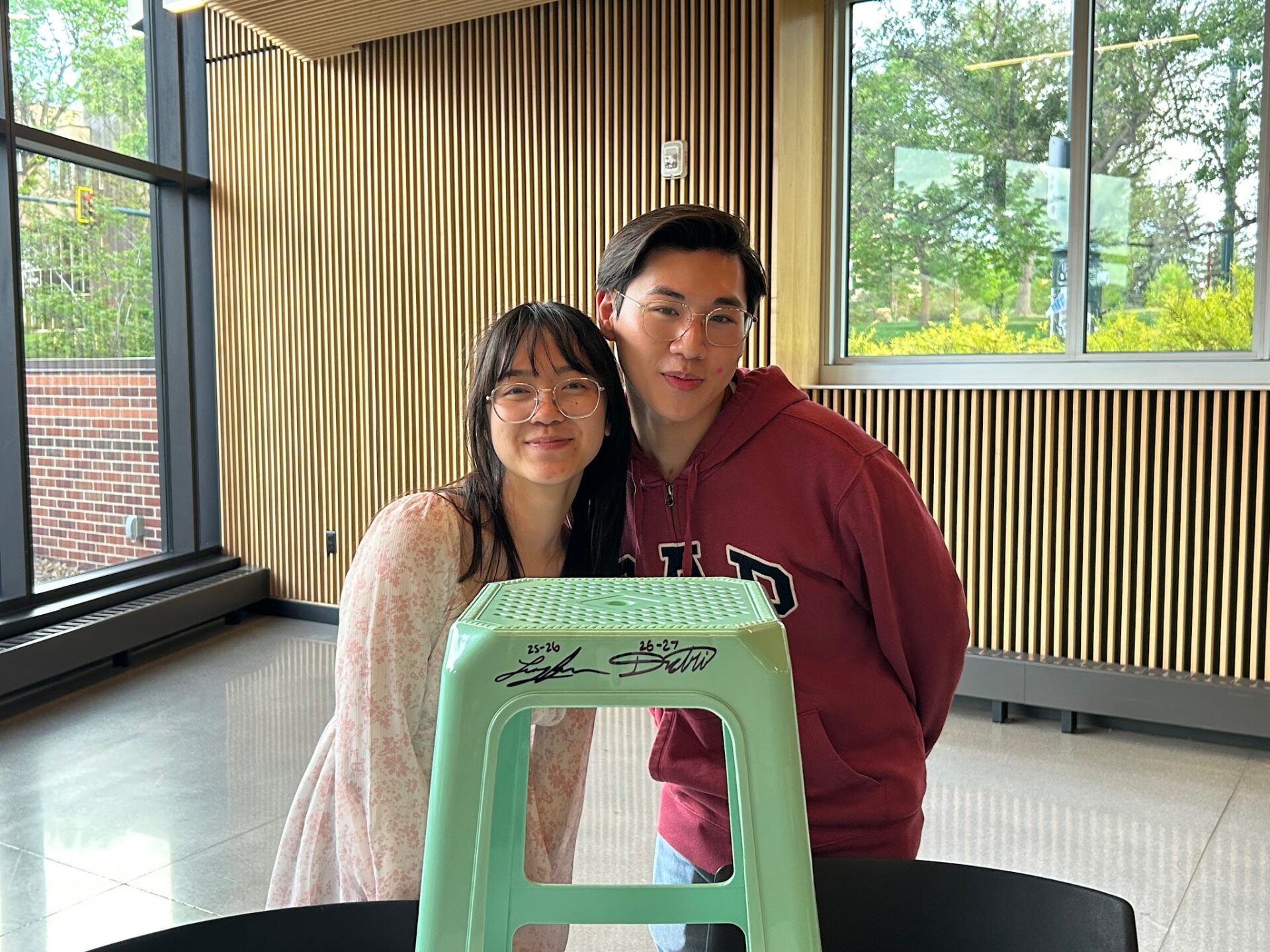
After the presentation, the event’s attendees competed in two rounds of Kahoot and a round of “Guess the Song” featuring prominent artists like Olivia Rodrigo and NewJeans, both of whom are of Asian descent.
“I celebrate this month through performances, food and conversations, including gatherings that highlight traditions and stories across AANHPIDA communities. Allies who want to join are always welcome, as it’s a time to learn, listen to people’s experiences, and recognize that AANHPIDA communities are very diverse,” said Do, emphasizing the importance of inclusive language in celebrating May.
Other students are also happy to see the term AANHPIDA being used in celebrating all Asian and Pacific Islander communities.
“I really appreciate the effort in recent years to include the Desi community in this month, which is really exciting and makes me feel very appreciated,” said Akam Chahal, a second-year environmental science and sociology double major who is also Punjabi.
This May, take time to learn about the AANHPIDA community and their extensive contributions to American history, society and culture.