During the month of October, everyone loves to sit down and watch classic horror movies such as “Scream”, “Friday the 13th” and “Halloween”. Since the 2020s began, the genre known as “Black horror” has seen a rise in popularity, especially around spooky season.
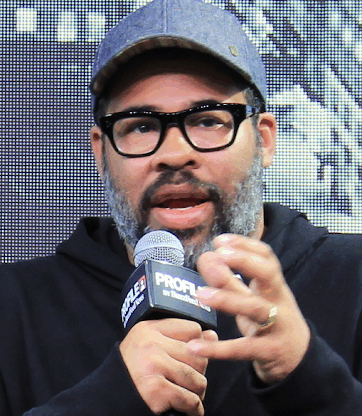
The Black horror genre focuses on the experiences of Black Americans, often directed and written by Black directors and writers. While the genre has gained popularity in recent years, with filmmaker Jordan Peele’s films — Get Out, Us and Nope — it has existed long before Peele and even extends beyond the medium of film.
The first all-Black science-fiction horror film, “Son of Ingagi,” premiered in 1940 and featured a newlywed couple and a villainous primate. 1968’s “Night of the Living Dead” wasn’t intended to be a film about race, but it has since become widely known for its racial commentary, starring African-American actor Duane Jones, encapsulating the energy of the Civil Rights Movement and commenting on police violence.
In modern times, the Black horror genre has subverted tropes surrounding Black characters in the movies throughout the 80s, 90s and 2000s. A recurring trope many are familiar with is the “Black character(s) always dies,” which was turned on its head in “The Blackening” (2021) and in Peele’s “Get Out” (2017). By including Black characters and Black stories in these movies, audiences get to see a new perspective, demonstrating how the horror genre is for everyone and should represent diverse experiences.
Ryan Coogler’s “Sinners” (2025) balances the realistic and supernatural horrors for Black people in 1932 Mississippi. The movie exemplifies realism for the Black community during that era while also demonstrating Black joy through music, culture and dance. Many love the movie because its horror doesn’t come directly from Black trauma, a common criticism of Black horror movies that focus on the gratuitous racial violence of slavery or other eras of Black American history.
“Black people don’t want to see the same traumas our ancestors faced in film. Horror should act as an escape, and we should be able to watch it the same as white viewers,” said Tylah Stewart, a first-year sociology major.
Horror has always been a genre that conveys political and social commentary, with important lessons for its viewers. Thanks to filmmakers like Peele and Ryan Coogler, the Black horror genre has received its flowers in recent years, leading more people to experience the diversity of its creativity and commentary.
By supporting the Black horror genre this Halloween, you can learn more about Black culture and reflect on broader lessons beyond the plot.