Welcome back to the first Unify Brief of the 2025-2026 academic year, where we track the latest developments shaping our nation. Here’s what you need to know this week.
False claims on Acetaminophen and links to Autism
On Sept. 22, President Donald Trump held a White House press conference linking acetaminophen, better known as Tylenol, with autism in children when used during pregnancy. Trump and his officials referenced a Harvard study that supported this unproven claim, where researchers acknowledged the risks of prenatal acetaminophen usage, however, advised that it was too early for the federal government to interject.
This is not the first instance where the Trump administration has made claims about potential causes of autism. On Nov. 25, 2024, Trump suggested links to child vaccines with autism, supporting U.S. Health Secretary Robert F. Kennedy Junior’s claims.
“Hours after President Donald Trump’s announcement linking acetaminophen during pregnancy with autism in children, a mother sat in my office, sobbing. Had she caused her child’s autism by treating the debilitating headaches she suffered during pregnancy?” Doctor Edith Braco-Sanchez, a primary care pediatrician and assistant professor of pediatrics at Columbia University Irving Medical Center, told CNN.
Local: Autism Society of Colorado flooded with calls after false claims by Trump (CBS News)
National: Trump makes unproven links between Tylenol and autism (BBC)
What other college campuses have to say: What research says about autism and acetaminophen (Yale School of Public Health)
Birthright citizenship
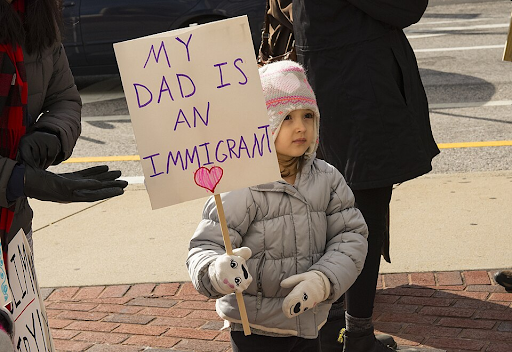
Since the start of Trump’s presidency, birthright citizenship has been under attack. This week, the administration has called for the Supreme Court to make a rule on its plan to end birthright citizenship.
The 14th Amendment in the Constitution clearly states that anybody born or naturalized on U.S. soil is automatically considered a citizen, with the exception of children of diplomats. The history of this amendment was tied directly to the emancipation of formerly enslaved Black individuals and forced the Confederate states during the Civil War to free all enslaved individuals.
Although two appeals cases are under process, the integrity and the future of the 14th Amendment hangs in the balance. Trump’s executive order had been blocked since his return to office in January.
Local: Birthright citizenship is protected in Colorado (CPR News)
National: Trump Administration asks for Supreme Court to allow end of birthright citizenship (The New York Times)
What other college campuses have to say: Can birthright citizenship be changed? (Harvard Law School)
Trump-Epstein Statue removed
A statue of President Trump and Jeffrey Epstein holding hands appeared in D.C. on Sept. 23, and was removed swiftly on Sept. 24. The removal of this statue titled, “Best Friends Forever,” caused free speech concerns.
President Trump’s alleged relationship with the deceased sex-trafficker resurfaced after the reveal of Trump’s alleged birthday letter to Epstein. Although Trump continues to deny any connection to Epstein, forms of protest like the statue have been used as a way to urge the government to release the Epstein files that reportedly have the names of everyone involved in the sex-trafficking.
The group that commissioned the statue claimed the art piece did not matter, rather the act of removing it signified an attack of free speech.
Local: Boebert among 4 House Representatives support the release of the Epstein files (The Grand Junction Daily Sentinel)
National: National Park Service removes Trump-Epstein statue (CNN News)
College: Prominent Harvard affiliates sent birthday letters to Jeffery Epstein (The Harvard Crimson)
Take action:
At DU:
- Engage in conversations with professors and other faculty members to learn more
- Stay engaged and up to date with news and developments around these topics