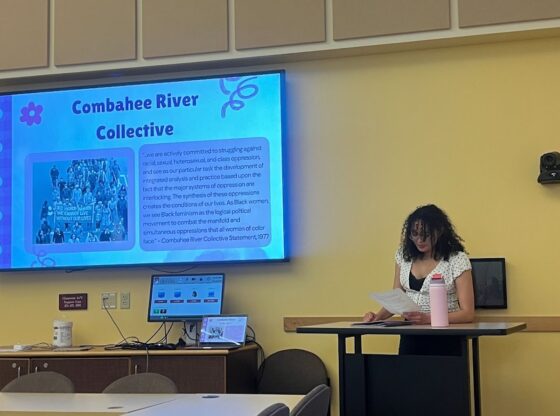
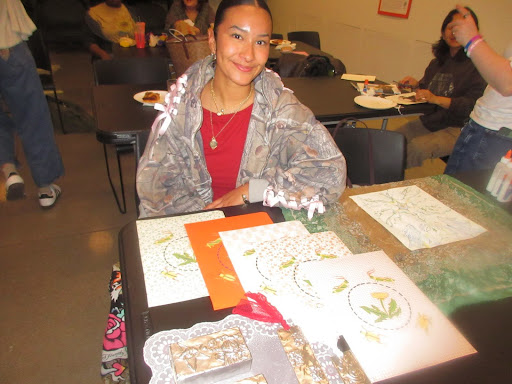
On Jan. 21, DU students joined together at an event hosted by Política Organizada por Diversidad, Equidad y Representación Latine (PODER) and local nonprofit Casa de Paz. The goal of the event was to inform attendees about the nonprofit’s work, immigrant rights and detention centers.
Additionally, students helped assemble care bags for individuals being released from detention centers in the coming weeks.
President of PODER, Ashley Quezada, shared the origins of the event and collaboration with Casa de Paz.
“A member of our e-board came up with the idea, and we really wanted to uplift advocacy. This has been in the works for a few months now, since the fall quarter,” said Quezada, a third-year studying biology.
Associate Director of Casa de Paz, Alondra Flores, began the evening with a powerful presentation explaining how the nonprofit’s work has changed over the past year under the Trump administration. The expansion of Immigration and Customs Enforcement (ICE) and aggressive enforcement tactics have drastically increased the number of individuals in detention centers, while the amount of those being released has decreased.
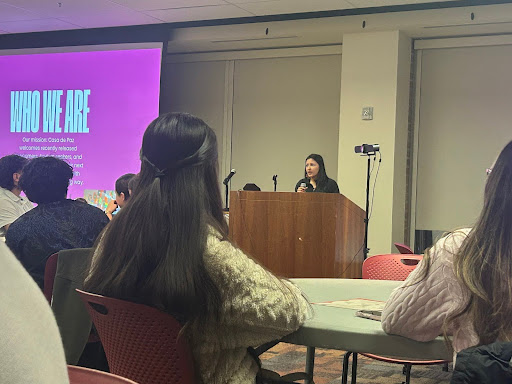
Casa de Paz is a program that assists immigrants at the Aurora Detention Center, through visitation and welcoming those recently released from ICE detention.
According to Flores, in January 2025, Casa de Paz welcomed 610 people from the Aurora detention center. As of Jan. 21, 2026, the organization reports having welcomed only 57 people.
Flores discussed how everything in detention costs money, from food to basic hygiene.
“The little things matter,” Flores said, emphasizing the significance of making backpacks for those who have been released.
During her presentation, Flores shared a quote from a Casa de Paz guest who had previously served time in prison before going to a detention center. “I would rather spend 20 years in prison than six more months in [immigration] detention.”
Many guests of Casa de Paz report poor and punitive treatment in detention centers, a theme that has reoccurred in centers across the nation as individuals describe medical neglect and violations of their fundamental rights.
In the last part of her presentation, Flores shared ways to spot ICE’s tactics as well as what to do if you need to report an ICE sighting through the Colorado Rapid Response Network. She also shared the numerous ways to get involved with Casa’s work.
“You can volunteer as a college student, even if you’re very busy. When I first started volunteering with Casa, I was working full-time,” Flores shared.
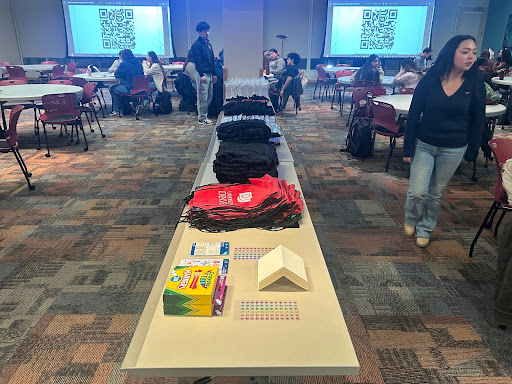
There are plenty of things student volunteers can do with Casa de Paz, such as watching for new releases from the detention center, building backpacks, administrative work or even writing letters to those in detention through the Cartas de Paz program.
According to their president, PODER will continue to raise awareness of social justice issues through upcoming events, including a day-long “Fashion is Political” event in February, as well as their annual Contraceptives and Crafts event which focuses on reproductive health.
For more information about PODER, join their Crimson Connect and follow them on Instagram. To learn more about Casa de Paz and their mission, resources and volunteer opportunities, visit their website.