Photo by: David Lorish
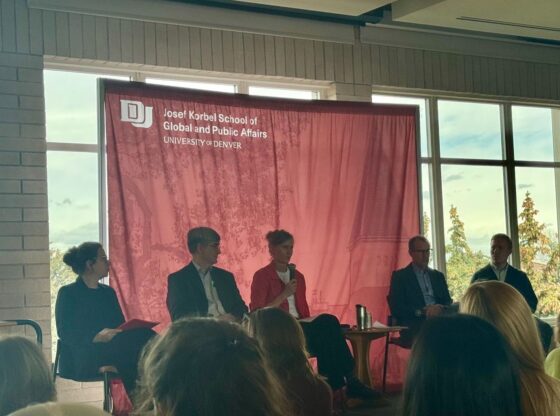
Last Wednesday evening at the Leo Block Alumni House, Colorado Sen. and DU alumnus Peter Groff spoke about the past, present and future of politics in both Colorado and the United States and took questions from the students in attendance.
Groff is the first African- American to hold the position of president of the Colorado state Senate.
He was elected first into the Colorado House of Representatives as a democrat in 2000, then re-elected in 2002.
In 2003, he was appointed to the Colorado state Senate where he represents a district which includes northeastern Denver.
Groff currently represents District 33, which is the district that he grew up in.
Groff represents the same district his father, who also served as a state senator, represented some years ago.
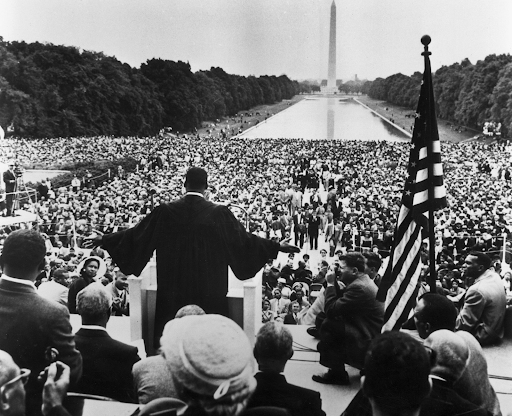
Groff began by explaining his personal political history and recalled several African-American politicians in U.S. history who were former slaves.
He discussed the three different generations of African- Americans and each of their roles in the U.S. government.
“After the Voting Rights Act, there were less than 100 African-American officials and today there are just under 10,000,” said Groff. “The third generation consists of those in office under the age of 50 and who grew up in the process or followed their parents into office.”
Turning to the primary races for the nomination for president this year, Groff said, “In terms of politics, this year’s election is a watershed year because we have different types of candidates like an African-American, Mormon, woman and Hispanic.”
“Questions like where America stands on racial/gender issues and where America is in response to the candidacy of some folks are being addressed,” said Groff.
Romney has to answer questions about being a Mormon, Clinton has to answer about being a woman and Obama has to explain how his pastor may not influence his presidency, said Groff of all the different issues which are being brought to the surface this year in politics.
“Washington gets bogged down in ideology, trying to score political points instead of creating new policy,” said Groff of why Congress is in gridlock. “The pressure to maintain the status quo and do what the party tells you is tremendous.”
Groff also addressed how young voters will affect the political parties in this year’s election more than ever.
“Both parties need to understand that young people are not picking a party but registering as Independents, becomming swing votes,” said Groff. “The parties need to fight for Independents’ votes.”
Groff finished the discussion by talking about his own policies and taking questions from students.
Groff explained that the area of new politics has a post-racial component where those under 50 are trying to look at policy first, race second.
“I look at drop out rates as all Colorado students’ not as how many African-American students have dropped out,” said Groff. “The bulk of legislation I carry doesn’t have to do with race.”
Some of the issues and questions that students who attended the event raised consisted of film industry incentives in Colorado, health care and transportation issues such as traffic on I-70 and the light rail system in Denver.
In response to the questions about health care, Groff said that “the next president needs to come up with a way to reduce the cost of health care, then let each state deal with the uninsured on their own.”
There are currently about 800,000 people who are uninsured in Colorado.