“What dorm are you in?”
It’s a classic question among freshmen, heard countless times during the first few weeks of a new school year. At the University of Denver, the answer to this question has been Centennial Halls, Diamond Family Residential Village (DFRV) or Johnson McFarlen Residential Hall (JMAC). But come the 2026-2027 school year that is no longer the case.
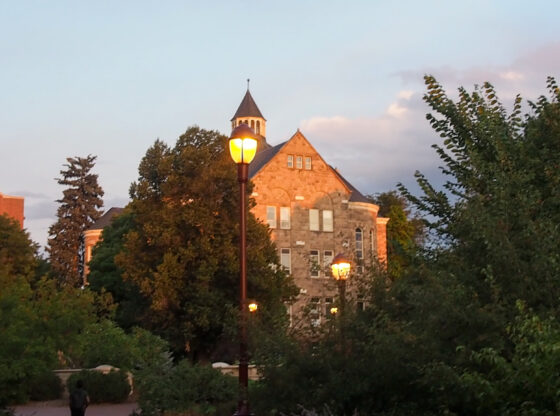
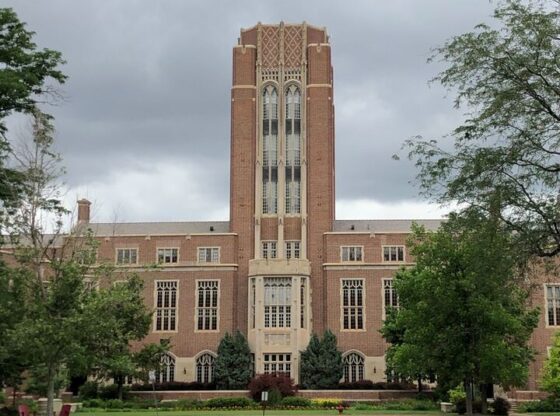
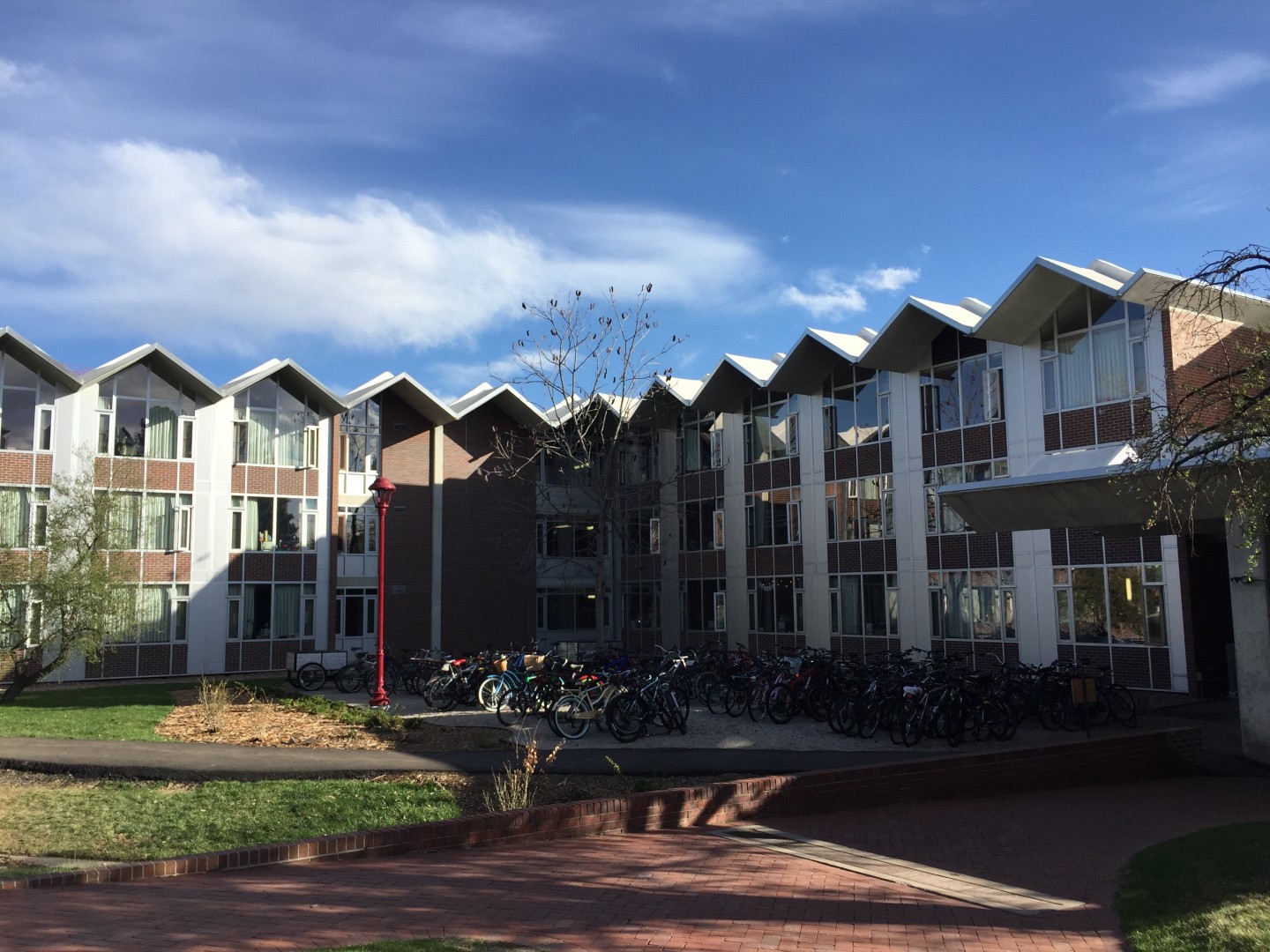
The university has closed Centennial Halls as a residence hall for this academic year, leaving one of DU’s longtime freshman housing options empty. Halls opened with the opening of the university in 1864. Since then it has held 668 beds each year.
The building is not completely closed, as the Corner Store is still up and running but students can not go past the first floor.
According to Stuart Halsall, the Vice Chancellor for the Division of Student Affairs, the closing of Halls is all part of the university’s broader plan to reassess its housing inventory and determine how its older residence halls can best serve students in the future.
Before the COVID-19 pandemic, the university had already planned to reassess its housing options after opening the Dimond Family Residential Village.
“The plan of opening [DFRV]was to allow the university to then consider doing work on Centennial Halls or Centennial Towers,” Halsall said. “We had kind of larger classes immediately following COVID, which didn’t allow us to take Halls or Towers, “offline,” and it changed a lot of plans,” Halsall continued.
Halsall stressed that this has always been part of the plan, and taking Centennial Halls offline was not made solely in response to current enrollment numbers. “We’re kind of returning to some of our historical sizing of enrollment at DU. We really just had a spike post COVID,” Halsall said.
The university faculty thought now would be a good time to start implementing their pre-COVID residential plans.
“It didn’t make sense to have three or four buildings occupied at like 60%,” said Halsall . “We want them to be vibrant residential communities for the university and for students.” The university closed Halls, instead of other older dorms like Towers because of the valuable amenities Towers has including kitchenettes and air conditioning.
Without Halls, the layout of undergraduate housing remains largely the same, with first-year students primarily living in Dimond Family Residential Village and Johnson-McFarlane Hall, while sophomores are housed in Nelson, Nagel and Centennial Towers.
The closing of Halls also means the university is reducing costs in utilities and employment of resident assistance.
Halsall said the closure is not expected to be permanent. “I think how we’re viewing it is this is a shorter-term move to allow us to reposition things for the longer term,” he said.
Nothing has been finalized, and the university is still considering several options for the future of residential living on campus.
“We may lean into thinking about those spaces more as singles,” Halsall said. He added that the university has also received requests from specific student groups interested in using campus housing.
“So right now, a good example is fraternities [and] sorority life are actually asking us” about housing options, Halsall continued.
Halls has played such a big part in many students careers at DU, and administration acknowledges this. For now, Hallsal hopes to “bring Halls back online.” In the meantime, the residential floors of Centennial Halls will remain quiet as DU decides what role the nearly 65-year-old building will play in future students’ campus experiences.