The Nov. 3rd midterm elections are less than two months away and tensions are high nationwide. Between the rising gas prices, the war in Iran and a tight race for control of the House and Senate, voters will be deciding on more than just candidates and ballot measures.
Colorado will have one of the longest ballots in the country, with 14 ballot measures and a slate of federal, state and local races for voters to decide. The number of statewide measures ties Colorado’s record for the most ballot questions in the last 52 years.
What’s making the ballot so long this year is the 13 citizen-initiated measures that were added to the ballot via petition. Of the 13 initiatives, almost half are sponsored by Advance Colorado, a conservative, non-profit political advocacy organization. Advance was co-founded by Gov. Bill Owens and Phil Anschutz, the owner of the Colorado Springs Gazette and the richest person in Colorado.
The unusually high number of citizen-led initiatives means Colorado voters will be weighing in on taxes, immigration enforcement, education funding, voter identification, congressional redistricting, energy policy and hunting rights.
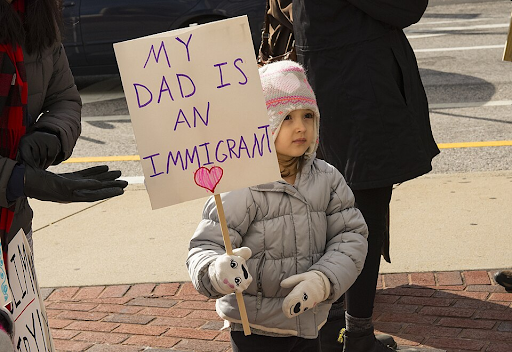
One of the most notable initiatives is Amendment 81. This amendment, sponsored by Advance Colorado, would require Colorado law enforcement to work more closely with ICE and other immigration enforcement agencies. If this amendment were to pass the Denver Police Department (DPD) would have to notify the federal government when they file changes against people who are not lawfully in the country.
Another notable amendment includes Amendment 84, which would require mail-in voters to provide both a signature and an identification number, such as the last four digits of a Social Security number or a qualifying state identification number.
Amendment 87 would replace Colorado’s flat income-tax structure with graduated rates, raising rates on income above $500,000 while lowering rates for people below that threshold. This amendment is directly against Proposition 136, a citizen initiative, which would cap individual and corporate income tax at 4.4%.
Although the ballot measures are important, a majority of Coloradans will be showing up to the polls to vote for the top of the ballot. This year, that includes the race for governor, as voters choose who will succeed Gov. Jared Polis after his two terms in office.
In the race for governor, Democratic nominee and current Colorado Attorney General Phil Weiser will face Republican nominee Victor Marx, a ministry leader, author and first-time political candidate.
Another notable race is in Denver’s 1st congressional district, between the Democratic Socialist, Melat Kiros and Republican candidate Christy Peterson. If Kiros were to win she would be the first democratic socialist elected in Colorado. Kiros’ primary victory marked a major change for Denver’s congressional representation, as the district has not elected a new representative in nearly three decades.
While Colorado’s midterm ballot may seem intimidating at first glance, voters have several resources available to learn about the candidates and measures before casting their ballots. Colorado is a vote-by-mail state, so active registered voters will automatically receive a ballot in the mail ahead of Election Day.
For students voting on campus, a ballot drop-off box will be available outside the Ritchie Center.