Intersectionality is defined as the multiple ways in which a person’s identities overlap to create a unique, compounded experience of discrimination or privilege. The term, coined by Kimberlé Crenshaw in 1989, is used as a framework to understand various political and social identities.
An easier way to understand this is to put race and sexual identities into perspective. For example, I as a Black female Muslim, experience intersectionality across these identities. I can be discriminated against and have experienced discrimination because of my race, gender and religion. My multiple identities thus create this unique, compounded experience.
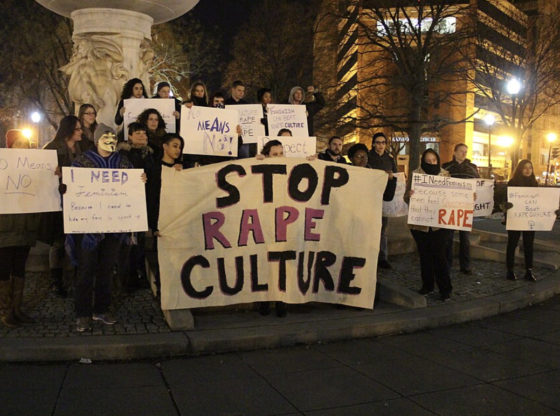
The biggest difference between feminism and multicultural, queer feminism is taking into account these intersectionalities. White, cishet feminism lacks the complexity and comprehension of multiple identities, and therefore excluding women and femmes who experience homophobia, racism, xenophobia and more. That is why you will see mainly white, Americana women as the faces of the early feminist movement in the 1960s.
The Combahee River Collective, a group started in the 1970s by Black feminist leaders, is a perfect example of fugitivity from this discrimination. These leaders were a part of the Civil Rights Movement, the Black Panthers and the early feminist movement — but you won’t see or hear much of their involvement.
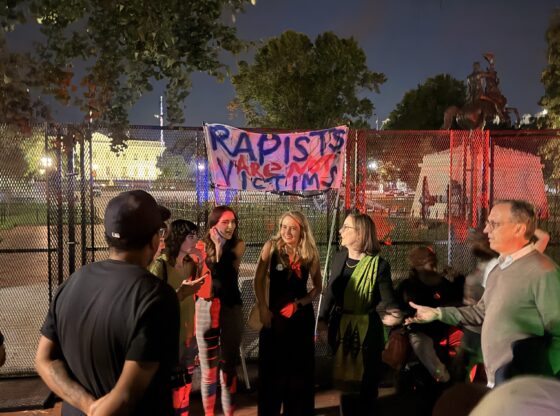
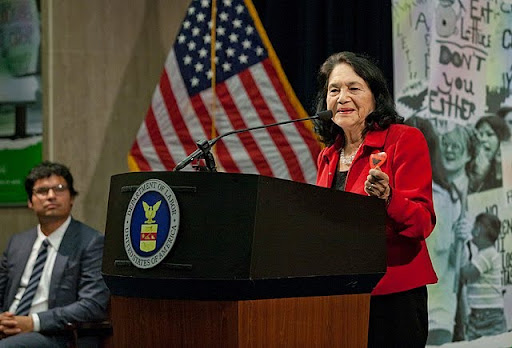
United Farmworkers of America was co-founded by Chicano activists Cesar Chavez and Dolores Huerta. It has recently come out that Chavez has been accused of sexually abusing young women involved in this movement designed to empower Chicano/a/x Americans in the 1960s and 70s. At least three women came forward in a New York Times investigation, including two who said they were abused as minors. Labor leader Huerta also issued her own statement. These were young girls – children – who showed up everyday to fight for the rights of Chicano farmers despite the horrific abuse they endured.
Chavez was supposed to be a leader, and yet he used his power to abuse and silence the women who fought alongside him. Huerta recently broke her silence regarding the abuse she experienced at the hands of Chavez after hearing the stories of the other victims. Huerta, who is now 95 years old, claimed to have stayed silent for so long because she was afraid that speaking up would harm the farmers’ movement.
The victims’ intersectionalities of being Chicana and women in a movement like the Farmworkers’ Union put them in that vulnerable position. Multicultural feminism takes into account their unique identities and fights for their rights as a whole, complex being. It doesn’t just take into account that they’re women – like white feminism does – and doesn’t only consider that they’re Chicana, like the union did.
Intersectionality can be holistically empowering, as I mentioned in the definition. It just takes the right community to see privilege in all identities. California, the hometown of the Farmworkers’ Union, voted to rename Cesar Chavez Day to Farmworker’s Appreciation Day, honoring the labor workers while condemning the sexual abuse. Denver, and cities across the country, are following suit by removing statues and renaming streets.