Chile is working to establish Cape Froward National Park in the Brunswick Peninsula, located on the southernmost tip of South America. Cape Froward has long coastlines and rich biodiversity that is largely unexplored by humans.
South America is home to many vital ecosystems. Human activity has already affected these areas, including deforestation and illegal logging in the Amazon basin. Chile has recently experienced extensive wildfires that have destroyed their lands, increasing the need for conservation of these natural regions.
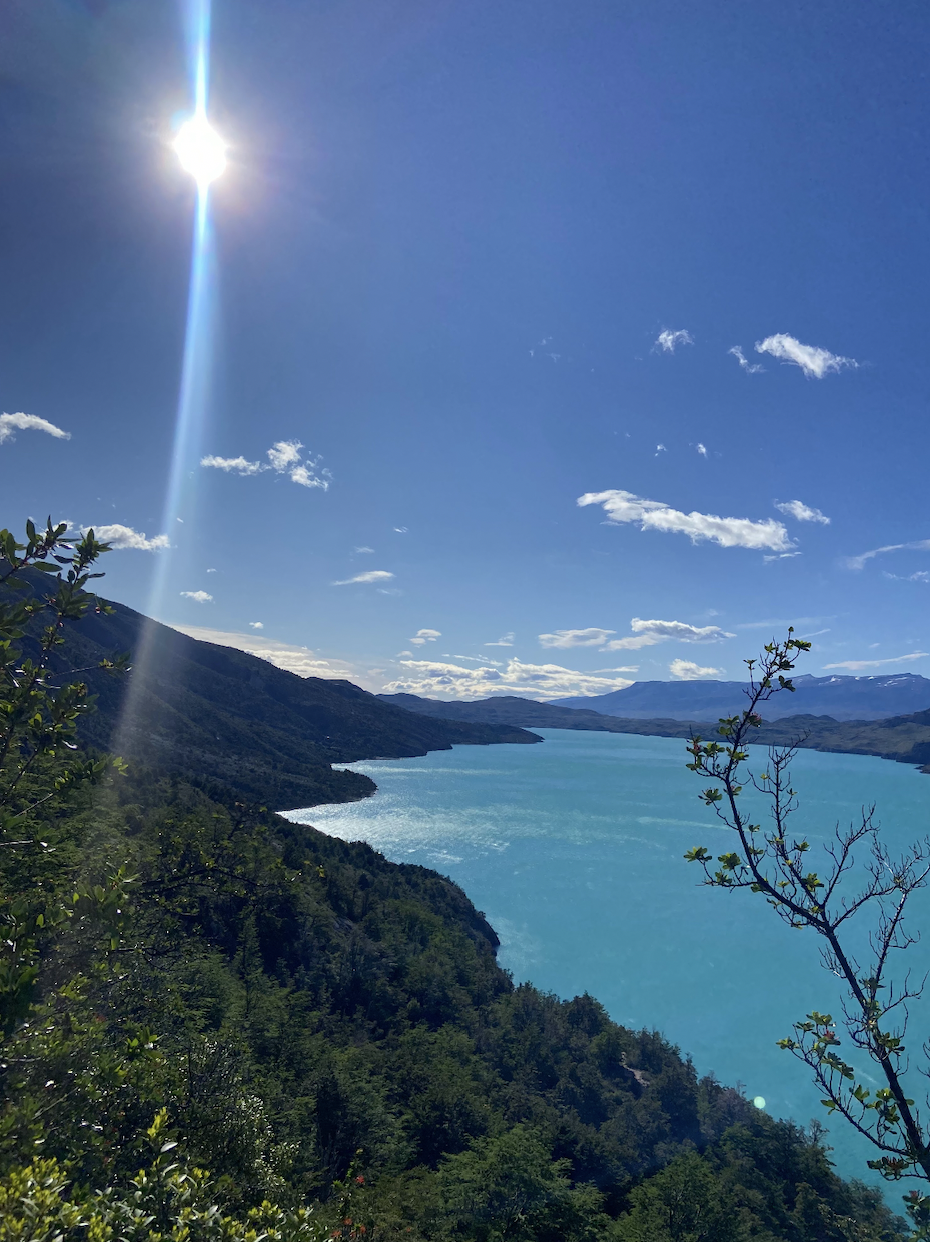
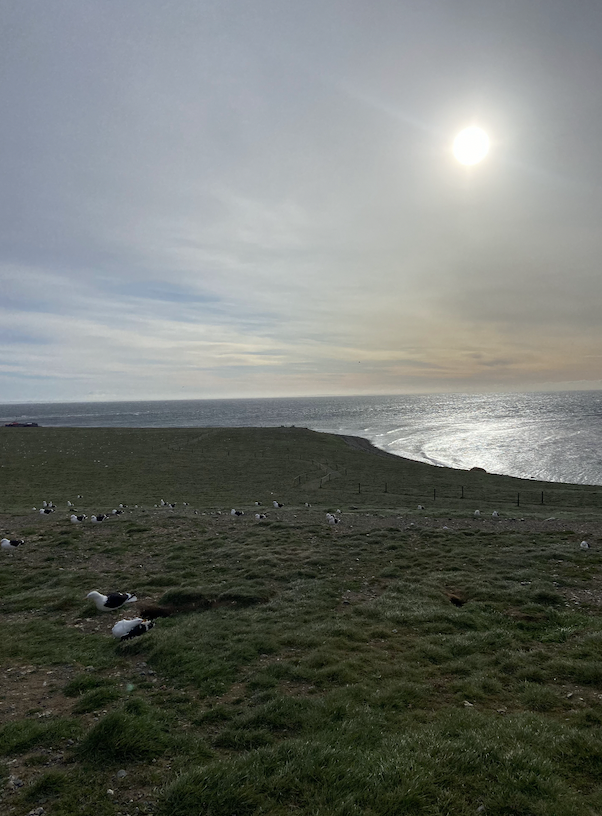
All photos are courtesy of Ellie Barnett-Cashman
Kristine Tompkins, a U.S. conservationist, is leading the project. As the former CEO of the clothing company Patagonia, and president of the board of Rewilding Chile, she has been influential in the establishment of several national parks across Chile and Argentina.
Tompkins and her late husband have worked to protect more than 14 million acres of land within the two countries. Together, they established the Tompkins Conservation to continue their conservation efforts of rewilding nature in response to climate change and biodiversity loss.
In late 2025, the Tompkins Conservation proposed donating 230,000 acres to the Chilean government to establish the Cape Forward National Park. However, to proceed, indigenous consultations are required which causes complicated negotiations for the creation of Cape Froward National Park.
Without progress in the next two years, the land will revert back to the Tompkins Conservation.
The region is home to many highly endangered species such as the huemul deer and the ruddy-headed goose. Endangered huillin and wild pumas have frequently been captured on wildlife cameras. The different ecosystems, including oceanic and unsettled land, allow many species to flourish in that area.
Almost 25,000 acres of the region consists of peatlands, which, according to the World Economic Forum, are considered one of the most vulnerable ecosystems to climate change. Peatlands only cover 3 percent of the Earth, but hold one third of the world’s carbon, and are essential in the mitigation of climate change.
As of 2024, Chile has 41 national parks, spanning 19.3 percent of Chile’s total land area. The proposed park would add 500,000 acres to their protected lands, similar to the size of the Grand Tetons National Park in the United States. The establishment of this park would make progress in accomplishing Chile’s COP15 goal to protect 30 percent of their land by 2030.