In recent decades, the “r-word” has been denounced as a slur against those with intellectual disabilities. However, in the past few months, the word has returned, most notably on social media and amongst those associated with the political right.
In a study from Montclair University, Elon Musk’s social media platform X has seen a noticeable increase in posts containing the word. After Musk used the word in a January 2025 post, researchers noted a 207.5% increase in posts using the slur.
Other recent notable uses of the word include a Truth Social post by President Trump criticizing Minnesota Governor Tim Walz and a post by Harmeet K. Dhillon, the assistant attorney general overseeing the Justice Department’s Civil Rights Division, who included the slur as part of the caption of a picture showcasing a knitting project.
Katy Neas, the chief executive of the Arc of the United States, a disability rights organization, attributes the resurgence of the word to a perception of power.
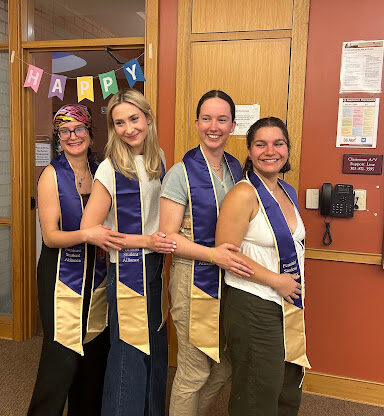
The Neurodivergent and Disabled Student Alliance (NDSA) at the University of Denver also shared its insights about the word’s resurgence.
“There is definitely a large uptick online. I think trends like ‘restarted’ or ‘acoustic’ enable people to use these harmful terms without actually doing so, which transforms into the usage of the actual term,” said Hannah Adams, president of NDSA.
“When we use these terms, we allow ourselves to consume ableism as easily as we breathe air,” said Adams. She discussed the weight of the meaning behind these words, and added that “it’s important to listen to the voices of those who are disabled and educate ourselves on the harms in our language.”
As use of the “r-word” spreads rapidly online, this language worsens the mental health and confidence of those with intellectual disabilities.
“It feels degrading, and as a person who wants to better the mental health of neurodivergent youth in the future, I cannot let it go unnoticed,” said Grace Van Doornewaard, the advocacy chair of NDSA. “As a future advocate, I want to educate my peers so that we are not damaging the lives of others with this usage of vocabulary.”
Both Adams and Van Doornewaard emphasized the importance of raising awareness about the r-word and other harmful terms that are used against the disabled community, especially when thrown around without knowing the history of the words.
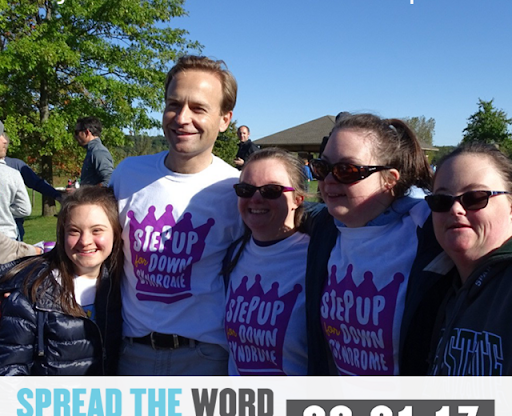
In 2009, two youth leaders began the Spread the Word to End the Word campaign, founded on the belief that grassroots organizing could end discrimination and exclusion faced by those with developmental and intellectual disabilities. In 2019, the campaign title was shortened and became Spread the Word, not just to emphasize the hurtful impact of a single word but also to highlight the importance of inclusion for members of these communities.
When educating those around you about language related to developmental and intellectual disabilities, Adams acknowledged that it’s okay to start small.
“Start by letting your peers know how harmful the r-word is if you hear it, and holding them accountable. It’s okay to work your way to fully dismantling ableist language; heck, I am still working my way to this point,” she said.
Action at DU can start as simply as embracing one’s peers with empathy and understanding how language can be a powerful tool for harming people.
“I believe that the people of DU should be embracing each other with open minds and open hearts, and I feel that this kind of language is not the way to do so,” Van Doornewaard said.
There are many other ways to be an advocate for people with disabilities, such as actively listening to them, being mindful that they are also people and advocating for more inclusive and accessible spaces in your communities.