Since the United States Supreme Court’s decision to ban affirmative action in college admission processes two years ago, the number of Black students at elite universities has dropped.
According to the Associated Press, many elite universities have delayed sharing their enrollment figures. Across 20 universities, Black student enrollment has waned. Many colleges have also seen a decrease in Hispanic student enrollment, but the trends have been less pronounced.
The most significant decrease found by the AP was at Columbia University, which went from a 20 percent Black student population before 2023, to 13 percent in 2025.
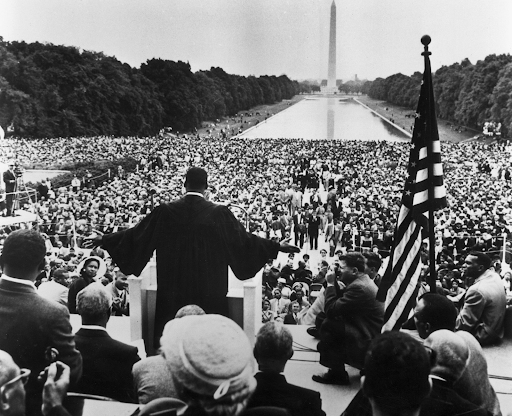
Affirmative action stemmed from the Civil Rights Movement of the 1960s, beginning with an executive order signed by President John F. Kennedy. That order was later superseded by Executive Order 11246 issued by President Lyndon B. Johnson in 1967, which required federal contractors to take affirmative action to ensure equal opportunity for women and other underrepresented groups.
Over the decades, additional laws and executive orders shaped affirmative action policy. Most recently, the U.S. Supreme Court’s 2023 decision effectively ended the use of race-consciousness in college admissions.
Some experts say that abolishing legacy admissions and offering holistic reviews of applicants would create fairer opportunities for low-income, rural and first-generation students. They also say that institutions must use every race-neutral tool available during a presidential administration that is heavily targeting diversity, equity and inclusion.
“I do think that institutions can do something, but I think they’re going to have to be fairly stealth about it and quiet about it,” said Marybeth Gasman, the executive director for Rutgers University’s Center for Minority Serving Institutions.
“Not many Black students or students of color are staying or are completely withdrawn from communities. Bringing students here is only the first step to community. Having students come here to be scholars and leaders — but have no specific way to resource them — leads to so much burnout for Black and other students of color,” said Dr. Indhira Udofia, director of the Colorado Women’s College (CWC) leadership program and a professor of religious studies and critical race and ethnic studies at DU.
“I have heard so many horror stories of the racist, sexist, and homophobic things just slide with no support, campus response, or communal accountability or ethic of care,” Dr. Udofia explained, “I am worried about academic freedom. I’m worried about losing our archival works that are vital to combat the revisionist push happening. I’m worried about the community losing what makes a scholarly community great. In an era when moral conviction and radical imagination are necessary for the days ahead, it’s heartbreaking to see how much the onslaught of psychic violence of racism and colonialism is trying to beat our students of color down before they have a chance of energy to fight.”
After Chancellor Jeremy Haefner announced the university’s rollbacks of DEI initiatives, many students and faculty have expressed concern about the future of students of color at DU, given the already small population and now dwindling resources and support.