Overflowing trash cans, illegal off-road driving, poaching of animals and plants and theft of artifacts. These were the impacts the 2018 government shutdown had on national parks around the country.
As of Oct. 1, the United States federal government has been shut down for the first time since the last and longest shutdown in December of 2018.
A government shutdown means that all “non-essential” federal government work stops. The government itself gets some leeway to decide what is essential work and what is not. Unfortunately, our government has decided through current and past shutdowns that national parks land under the “non-essential” category.
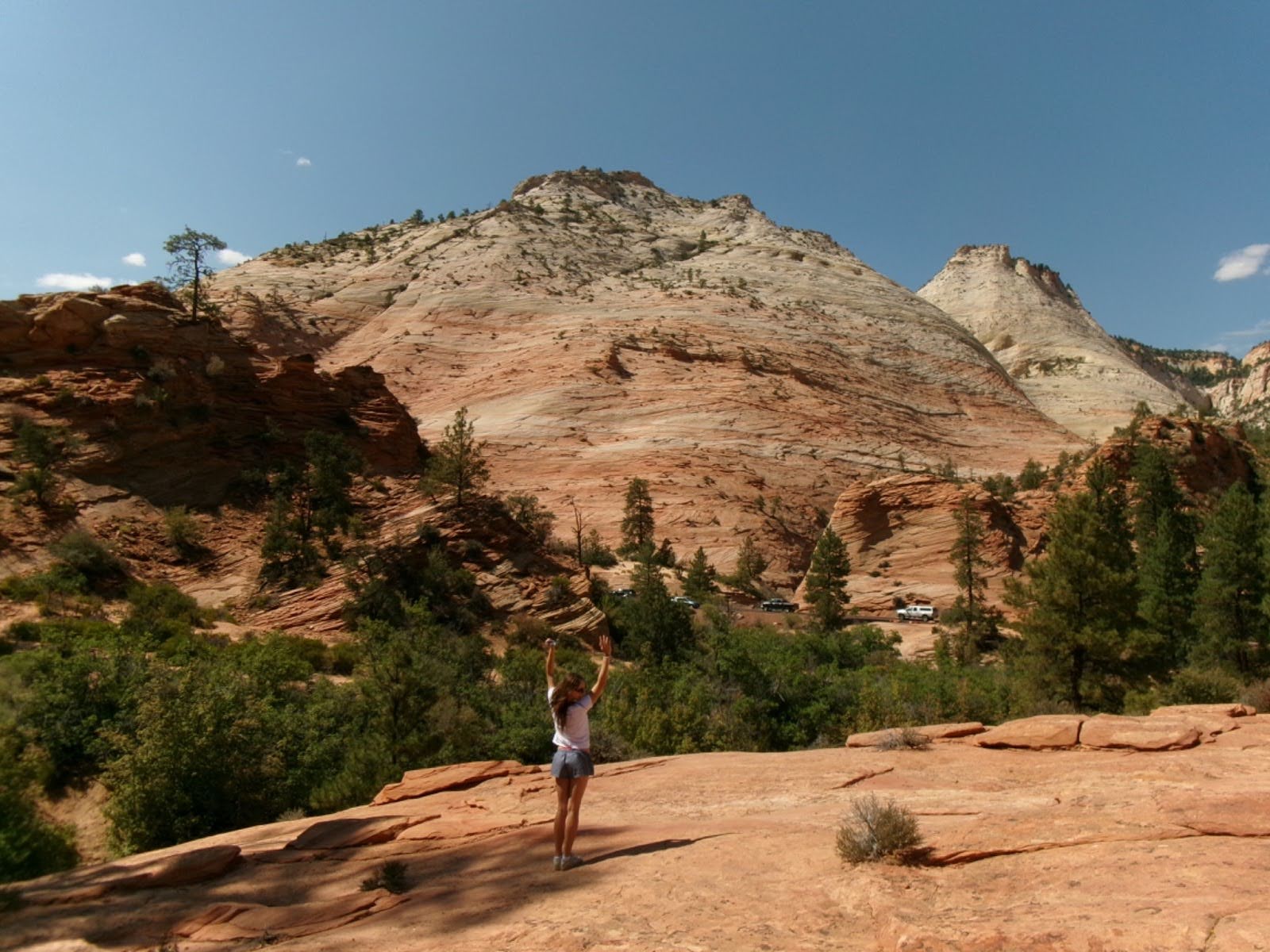
What does this mean for national parks? All 63 parks will stay partially open and visitors will still have access to roads, trails and lookouts. However, this isn’t necessarily a good thing.
During the 2018 government shutdown, while most parks stayed open, visitor centers were closed and services like trash pickup or restroom maintenance were suspended due to funding cuts. This means parks were littered with trash and vulnerable to neglect, environmental damage and the loss of the natural beauty and culture they were created to protect. Plus, since entry is currently free, people are flooding in, which puts more pressure on already strained resources.
According to USA today, the most recent government shutdown — the longest in United States history — lasted 35 days, but its effects on federal institutions like Joshua Tree National Park could last hundreds of years. Joshua Tree National Park experienced enough damage in 35 days to make restoration last 200 to 300 years. Visitors removed chains to access campgrounds, used off-road vehicles in sensitive areas and cut down 150 year old trees.
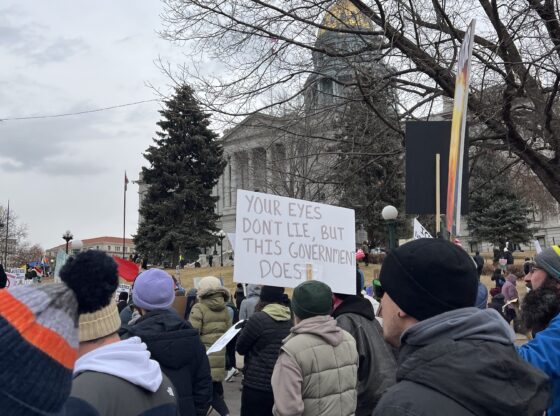
Today, we have made the same choice to cut funding from one of our nation’s most reputable and cherished institutions. If history has taught us anything, it’s that our parks cannot protect themselves. As citizens, we must recognize that our national parks are symbols of our nation’s history, biodiversity and shared responsibility.
Until the government reopens and restores funding, we can help do our part by advocating for their protection, volunteering to help restore and upkeep parks and treating these national treasures with the respect they deserve.