This article is part of the Clarion’s Week in Review series, covering current events that shape the conversations on our campus.
This past week saw major stories unfolding in the U.S. and abroad, with American food assistance programs and same-sex marriage protections facing looming threats, while Ireland elected its tenth president and unions gathered in a “mega-strike” in New Zealand despite severe weather.
U.S. government shutdown continues as SNAP and WIC funding is set to expire Nov. 1
As the U.S. federal government shutdown continues, now the second-longest in history, 42 million Americans dependent upon food stamps are facing what CEO Joel Berg of Hunger Free America described as “the greatest hunger catastrophe since the Great Depression.”
If the shutdown doesn’t end by Nov. 1, funding for the Supplemental Nutrition Assistance Program (SNAP) will be cut off. SNAP — which lost $187 billion in funding over the next 10 years on Oct. 1 — provided benefits for about one in eight (12.3 percent) Americans in 2024.
Also at risk are those receiving benefits from the Special Supplemental Nutrition Program for Women, Infants and Children (WIC), which provides food, education and counseling to nearly seven million pregnant and postpartum women, infants and young children across the U.S.
On Oct 22., Gov. Polis requested $10 million from the state legislature to go towards food banks, estimating that the money could sustain the 600,000 Coloradans who receive food stamps until mid-December. Food banks across Colorado have requested that community members donate or volunteer to help distribute food.
Supreme Court to consider hearing case seeking overturn of Obergefell v. Hodges
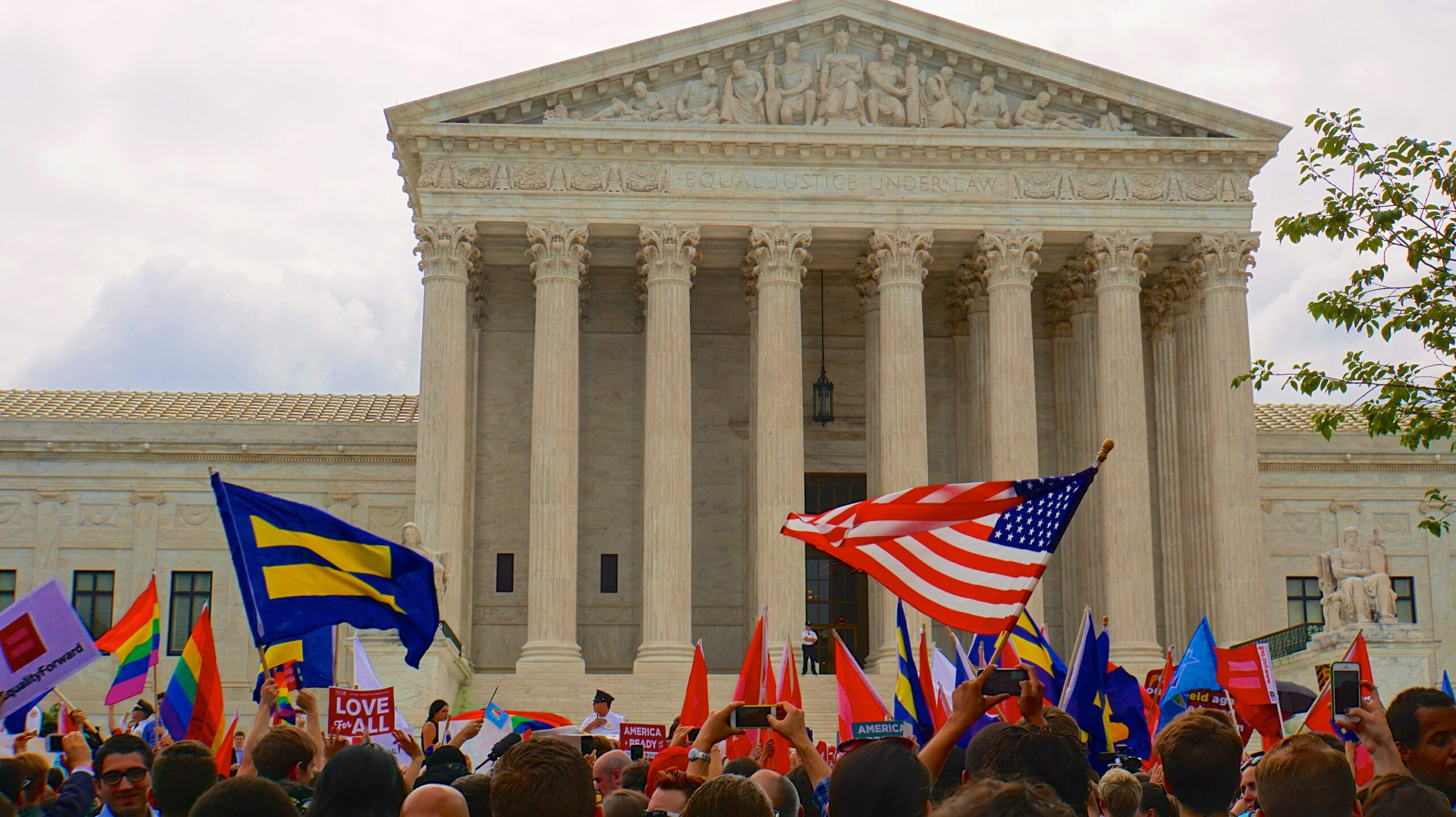
On Nov. 7, the Supreme Court will consider whether to hear a case seeking to overturn landmark 2015 ruling in Obergefell v. Hodges, which recognized the constitutional right to same-sex marriage.
The suit, Davis v. Ermold, was filed by former Kentucky county clerk Kim Davis, who refused to issue a marriage license to David Ermold and David Moore shortly after the Court’s decision in 2015, citing religious objections.
In 2023, a jury awarded Ermold and Moore $50,000 each in damages, which Davis appealed to the 6th Circuit Court. She claimed that she could not be held liable because issuing the license would infringe upon her right to freely exercise her religion.
The Court argued that, because she acted as a part of the government, not as an individual, her First Amendment rights did not apply. On July 24, Davis appealed to the Supreme Court, asking them to reconsider her liability and their ruling in Obergefell v. Hodges.
A decision on whether the Court will hear the case could come as early as Nov. 10.
Ireland elects new president with historic majority amidst voter discontent
On Oct. 24, Ireland elected its 10th president, Catherine Connolly, who won with a 63 percent of the vote, the most in the country’s history. The independent parliament member will be inaugurated in November.
Though Connolly won with an overwhelming majority, there was low turnout (46 percent) amongst Irish voters and a record number of invalid ballots — an unprecedented almost 13 percent of votes were spoiled, compared to the 1 percent of invalid ballots in the 2018 presidential election.
This was largely due to a campaign encouraging Irish voters to intentionally invalidate their ballots to demonstrate their frustration with the election this year, which had just two candidates by Election Day.
During her acceptance speech on Oct. 25, Connolly said first in Irish and then in English she would be a “voice for peace” and a “president for all.” Critics have expressed concern over her controversial views and the country’s relationship with the U.S. and U.K., though the presidential office is largely symbolic, and Connolly has said she will respect its limits.
100,000 public service workers strike in New Zealand
On Oct. 23, a record 100,000 workers turned out to demand better pay, more resources and better staffing and working conditions across New Zealand in one of the country’s largest strikes.
Public health and education services have faced significant funding cuts in recent years. More than 60,000 teachers, 40,000 medical personnel and 15,000 public service staff were among the protestors after union members voted to strike when collective bargaining efforts with the government failed.
Several demonstrations were cancelled due to extreme weather, including in the capital, Wellington, but union leaders said that workers in affected areas were still on strike.
Prime Minister Christopher Luxon called the strike “politically motivated.” One poll suggested that 65 percent of the public supported the strike, including nearly half of those who voted for the current coalition government.