Since opening their doors in 2000, Kaladi Coffee Roasters has aimed to bring people together over a great cup of coffee, and for over two decades they’ve fulfilled that promise.
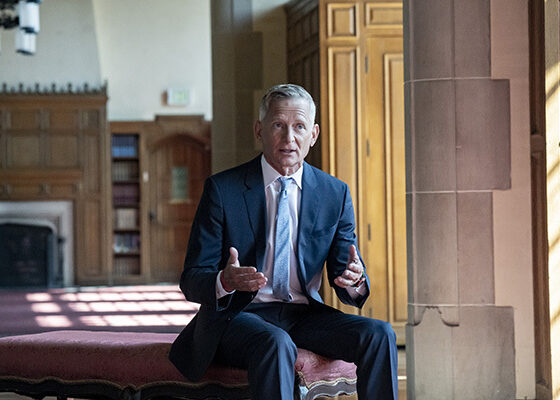
But recently, rising tariffs have made their mission much harder. Sourcing beans, planning shipments and pricing coffee have become a daily challenge for the business’ President, Mark Overly, and his team.
“It’s ugly and impossible to plan for,” Overly said. “Coffee prices have doubled in the last year due to shortages and the tariffs have caused havoc in the trade.”
Kaladi’s overall expenses have increased by approximately 40 percent in one year. This is the reality for many Colorado businesses, with the governor’s office finding tariffs on local operations being “seven to eight times higher” than last year.
A tariff is simply a tax that the government puts on foreign goods, almost like an extra entrance fee at the border. The goal of most tariffs is to increase the manufacturing and purchasing of American-made products, which doesn’t affect most large companies.
But for small businesses, tariffs can mean higher costs, lower profit and uncertainty for the future. To survive, Overly said, Kaladi was forced to “spread the pain,” raising prices little by little, balancing the business’ expenses with its dedication to affordability.
The coffee industry has been under strain since before the Trump administration announced sweeping tariff increases in April. Since the pandemic, people have been drinking more coffee than farmers can grow. The warehouses that once stored extra coffee have all been used by the increase in demand, and the regions growing coffee are battling effects of climate change, Overly explained.
Overly believes that the tariffs have made this situation worse, specifically with the Trump administration’s 50% tariff on Brazilian imports, leaving Kaladi and other coffee roasters “scrambling to find alternatives that do not exist.”
Brazil is the world’s largest coffee exporter, and as the demand for beans goes up, so does the price. Alternative coffee beans are also more expensive than ever, leaving many with no other options.
“We can only try to cover our needs and raise prices accordingly to offset these costs. Where the breaking point is anybody’s guess,” Overly said.
Kaladi Coffee Roasters does more than just sell coffee; they nurture communities and create spaces for connection. A mission that has stayed strong through market crashes, pandemics and rising costs, is one that will continue to stand strong — no matter what lies ahead.