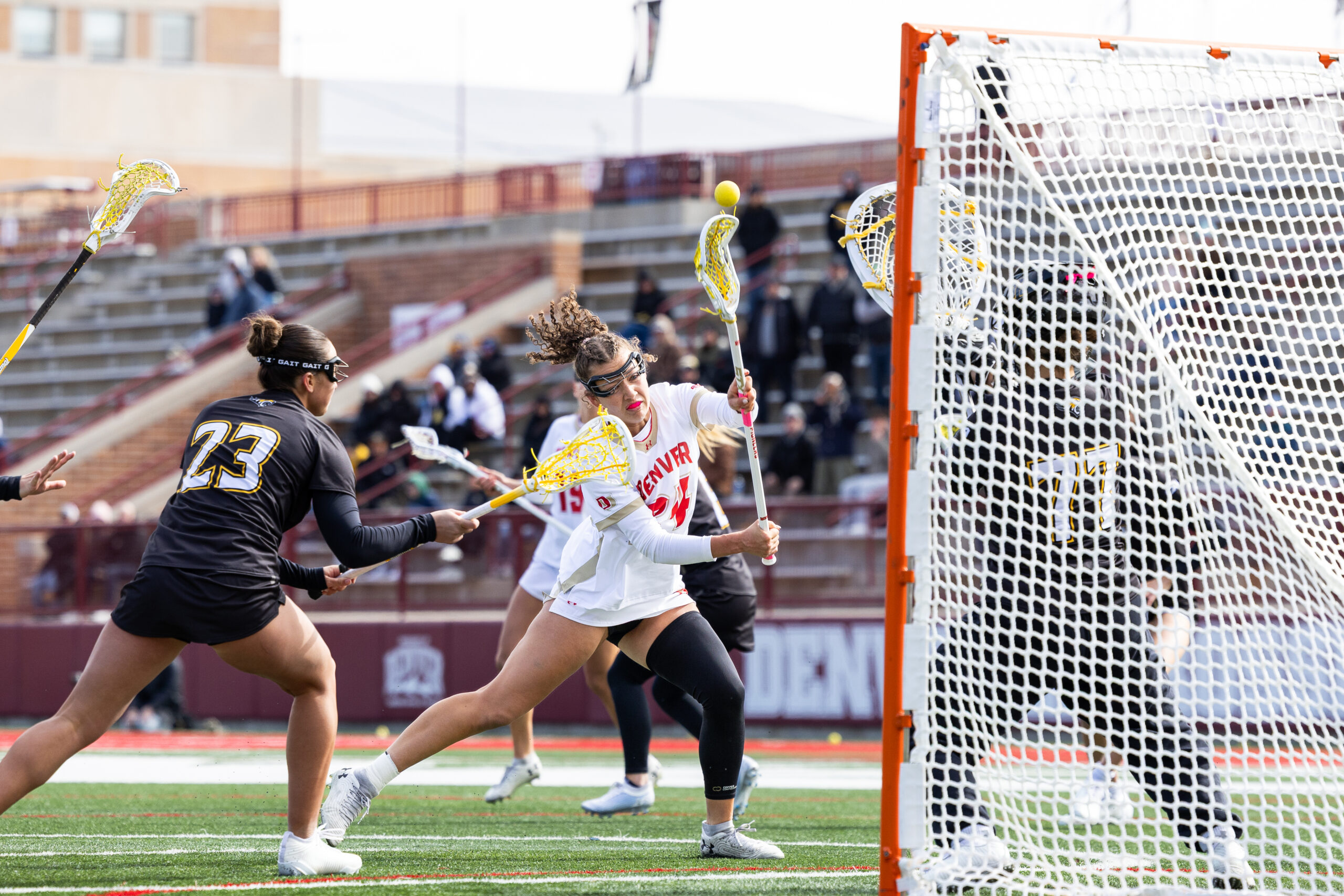
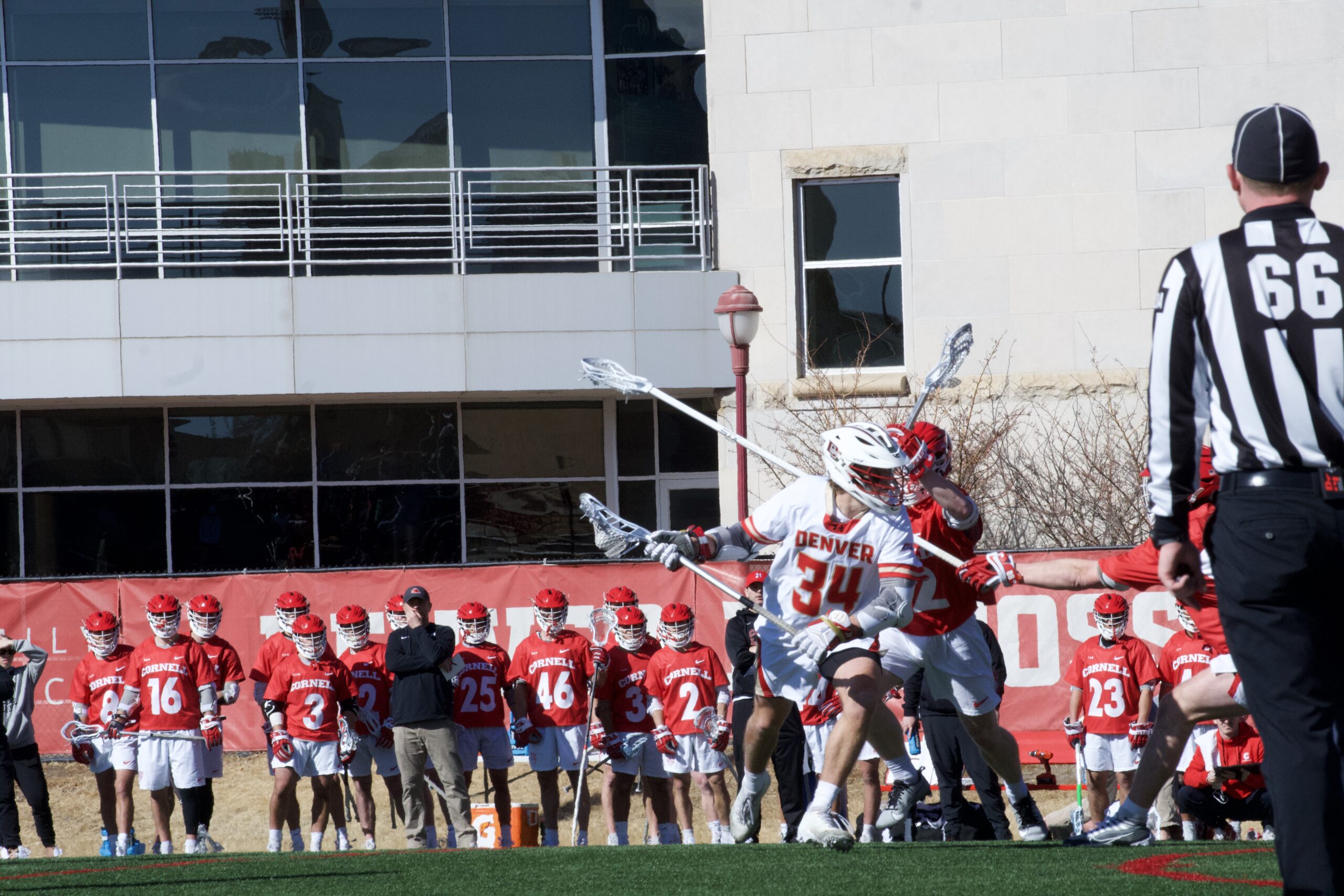
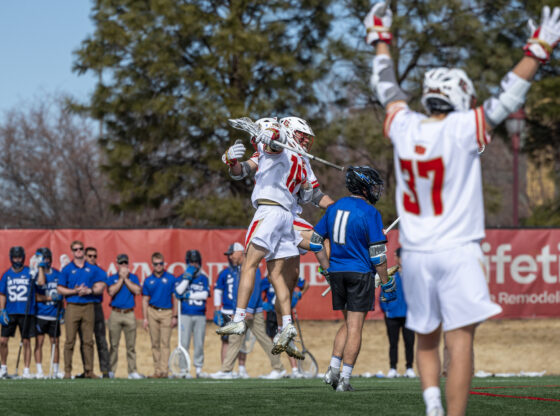
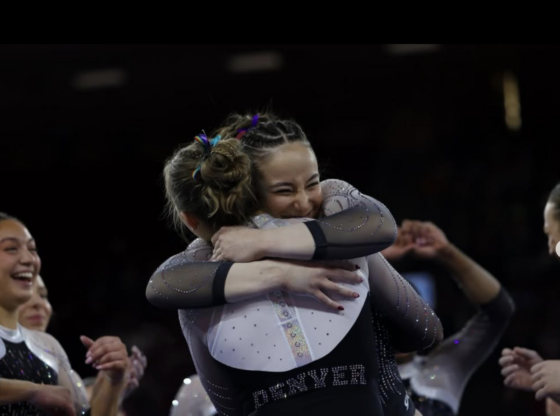
Long after the sun sets and the varsity athletes finish their practices, the north side of campus comes alive with DU club sports members. Whether it’s the kayakers in the Natatorium in the Ritchie Center or lacrosse players running drills on Peter Barton, this is when club sports athletes head to practice.
DU offers more than 25 club sports throughout the year, bringing in over 1,000 students. Alongside our well-known varsity hockey, lacrosse and soccer teams, these clubs have a lot to show for their athleticism as well. During the 2021-2022 school year, 19 clubs competed at national championship tournaments and 12 made appearances at regionals.
Students may hear about club hockey, rugby and ultimate frisbee, which are some of the more popular club sports — but there are others that often go unrecognized. In part, it can be because one doesn’t pay attention late at night on the north side of campus where practices are often held after academic and varsity schedules are clear. For Brendan Grady, vice president of Club Kayaking, those late-night hours at the Ritchie Center are what make the club special.
“We practice twice a week to work on safety techniques and new skills, but it’s also just a time to float around and socialize after a long day of classes,” Grady said.
The team also takes about six river trips a year, often camping together in the mountains. The river trips serve to build confidence and teach safety, with opportunities like Paddlefest in Buena Vista for those up for some competition. The club also aims to make what can be an expensive individual sport more accessible and welcomes all skill levels, all year-round.
“My favorite part of this club is the community it creates,” Grady said. “By the end of the year I think we become one of the closest clubs on campus”
Club Cycling vice president Tyler Gale shared a similar balance between inclusivity and competition, although he said that you do have to have some prior biking experience and knowledge to join.
The group offers both recreational and competitive memberships, catering to both riders who simply want to join the group rides and those who aim to race throughout the season.
Club Cycling competes in the Rocky Mountain Collegiate Cycling Conference (RMCCC), which brings together schools from across Colorado, Utah and Wyoming, with their racing calendar spanning across multiple disciplines. Mountain biking includes both endurance and downhill events in places like Crested Butte and Durango, while cyclocross offers nine regional races, many of which are close to Denver. Road racing falls later in the academic year, with eight to nine competitions in the spring.
Last year, Club Cycling produced a national champion when Elsa Westenfelder won first place in the Women’s Cyclocross collegiate nationals, taking home Denver’s first cycling national title since 2014.
“We are kind of the underdogs, being such a small club (the smallest in the RMCCC), but we’re also really competitive,” Gale said.
But it’s not all about winning. The club has become a home base for DU students passionate about riding. Gale credits the group with creating leadership opportunities and building friendships for him, something that was missing when he first arrived on campus. The team now has six officers organizing everything from practice schedules to transportation for competitions.
Behind the scenes, funding these athletic programs requires both institutional support and grassroot effort from the clubs themselves. Undergraduate Student Government (USG) provides funding, with the Club Sports Executive Council (CSEC) determining each club’s allocation through budget proposals and presentations. Clubs are also required to collect team dues from members and supplement their budgets through fundraising efforts throughout the year.
However, like many areas across campus, club sports funding has felt the impact of DU’s recent financial constraints. The university has been grappling with an $12 million deficit, leading to cuts across the university, which has been felt campus-wide. From staff and program cuts in the College of Arts, Humanities, and Social Sciences (CAHSS) to 11 federal research projects, student organizations, including club sports have had to tighten the budget.
This combination of university support and student-driven fundraising allows clubs to cover everything from equipment costs to travel expenses.
From white water rapids to mountain bike trails, DU’s club sports world is full of community, goal-setting and competing at impressive levels, even if they aren’t always in the spotlight.
Most clubs welcome new members all year round. Learn more about joining on the Ritchie Center website.