On Nov. 3, Deb Haaland and Peggy Flanagan made history by becoming the first Native American female governor and the first Native American female U.S. senator, respectively.
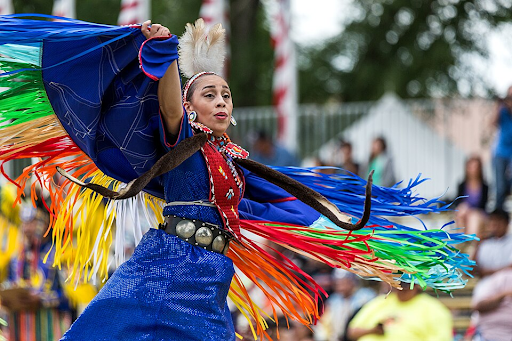
Fittingly, November marks Native American Heritage Month which commemorates the achievements and contributions of Indigenous American peoples.
“This month is a time to honor the legacy of our ancestors, but every day we should stop to think about our country’s beginning, and that the U.S. would not exist if not for a great deal of sacrifice, blood and tears by Indian Tribes across the country,” said Haaland in a 2018 interview with The New York Times.
The recognition of Native Americans, and their contributions, was a long journey of advocacy over the course of the 20th century. Arthur Caswell Parker, a Cattaraugus Seneca historian, laid the groundwork for recognition in 1911 when he helped launch the Society of American Indians.
In 1914, Reverend Red Fox James of the Blackfoot tribe rode approximately 4,000 miles to petition President Woodrow Wilson to establish a National American Indian Day, but was unsuccessful.
During the 1900s, several states individually declared observances of Native American Day or week, like California and New York.
Big strides were made for Native Americans in 1924 when the Indian Citizenship Act was passed. This act granted American citizenship to all Native Americans born in the United States.
In 1990, President George H.W. Bush approved a resolution designating November 1990 as “National American Indian Heritage Month.” Similar resolutions have been passed every year since, under different names like “Native American Heritage Month” and “American Indian/Alaska Native Heritage Month.”
While November marks a time for celebration and the recent elections elicit a time of great pride for Indigenous American communities across the nation, it is imperative to also recognize and understand the complex history between Indigenous tribes and the federal government.
The Trump Administration has actively tried to erase these painful histories. One such example being Defense Secretary Pete Hegseth’s proclamation that the soldiers involved in the Wounded Knee Massacre in 1890 would keep their medals of honor. These soldiers participated in the killing of 300 Lakota Sioux men, women and children in Wounded Knee, S.D.
At the University of Denver, it is imperative to recognize the involvement of our founder, John Evans, in the 1864 massacre where the U.S. militia killed approximately 160 members of the Cheyenne and Arapaho tribes at Sand Creek. It is also imperative to recognize that Indigenous students reside on DU’s campus and must grapple with this painful legacy today.
This November, celebrate Native American Heritage Month by supporting local Native-owned businesses like delicious American Indian restaurant Tocabe or Orrs Trading Post, a supply and art store.
For more Native-owned businesses around Colorado, visit this link.
This month, do not be afraid to educate yourself about the painful history of Indigenous Americans, but also see and celebrate the countless wins of these communities. They are just as plentiful.