Antoine Fuqua’s new high-budget biopic “Michael” hits all the right notes, being an entertaining and celebratory epic of Michael Jackson’s musical stardom, but falters in including meaningful character depth.
Although there were significant narrative beats displaying character growth, the audience never sees Jackson’s mental state in the moments outside of major life events, such as firing his father as his manager or early childhood events that shaped his identity.
The film lacks subtlety that pushes a single-character-centric film like this over the top. It’s not shallow by any means, though. It includes difficult scenes featuring domestic abuse and a devastating stage injury, but never delves into how Jackson is affected outside of those singular events. There’s no pause or time for reflection.
There are other things the film fails to address too. Specifically, sexual abuse allegations against Jackson.
The film as a whole isn’t a critique on Jackson, but a celebration of the esteemed musician’s legacy. It focuses on the positivity Jackson creates in his music and the happiness he brings to his adoring fans.
This joy counteracts Jackson’s father Joseph Jackson, the main antagonist. He uses his youngest son’s talent to catapult The Jackson 5 to stardom, but regularly hurts his children in doing so. An intense scene in the movie shows him beating Jackson for speaking out against his father’s constant demands for the group’s musical improvement.
His father tells Jackson he’s different from all the other kids his age and isolates him from his peers. Jackson finds differences with the rest of The Jackson 5, wanting to play childlike games as opposed to doing the “adult” things his older siblings were doing. Thus creating concurring themes of detachment caused by Joseph’s misdeeds against Jackson throughout his childhood.
Jackson’s challenges don’t stop with his father though. In the later half of the film, Jackson faces adversity in the entertainment industry, including the rule against Black artists being featured on MTV. Throughout the film, he advocates for equality, marking an independent growth in how he expresses his individuality and opinions.
The film portrays Jackson as an advocate for racial justice, as well as someone who spoke up against the corruption that exists in the entertainment industry. Although critics say depth is lacking, this is a moment where we can see growth in his ability to express his individuality.
There was a scene in the movie where Jackson was asked by his father to go on tour with his brothers after a long solo stint. Jackson initially agreed, but didn’t inform his father of his plans to announce the end of The Jackson 5 during the last stop of the tour.
This was the straw that broke the camel’s back. Jackson denounced himself from his father and the economic system he was forced to participate in, all for “family” as Joseph Jackson would say. This allowed Jackson to pursue his solo career and set up an epic final scene to solidify Jackson’s massive success as an artist.
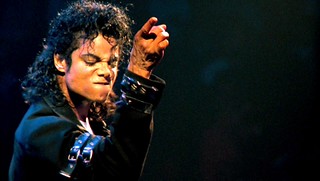
“Michael” concludes with a victory lap performance of Jackson’s “Bad.” The audience gets to witness Jackson dance and sing with his unique entertaining flair, but free from the constraints of his father Joseph.
It’s a satisfying ending, and a fitting conclusion to a story about the king of pop that checks all the boxes of what a movie like this should be: fun, high spirited and an overall good time.