I started watching HBO’s “Euphoria” about four years ago when season two was airing. Even though I was the same age as most of the characters, it was largely unrelatable. But that didn’t stop me from coming back to watch every week.
At its core, seasons one and two represented a story of adolescence. Yet, season three has lost that charm, and replaced it with spite.
The show’s creation is infamously turbulent. “Euphoria’s” creator and showrunner, Sam Levinson, has been especially controversial, predominantly because of his treatment of the cast.
Allegedly, cast members expressed that the show’s nudity made them uncomfortable but were still required to perform. The show’s production is long and grueling and the actors’ relationship to Levinson could affect their characters’ storyline. While these issues have been ongoing, season three feels steeped in them.
I was initially drawn to the series by its depiction of growing up through a lens of addiction. The show felt nuanced. While drugs and their effects were always integral to the plot, so were the sincere friendships. But season three, set five years after the end of season two, focuses on an “often-disgusting vision of a rapacious, pitiless America where everyone is fighting for scraps.”
All the storylines from the past two seasons have been ramped up. Rue, the show’s protagonist, played by Zendaya, was a teenage drug addict. Now, in season three, she has become a drug mule, smuggling fentanyl across the U.S.-Mexico border.
What once felt like a genuine portrayal of addiction now seems parodied. To me, the most moving parts of the show were between Rue and her family, showing the toll drugs and addiction had taken on all of them. But that’s absent from season three.
Instead of focusing on the individual, personal effects of addiction, it’s pivoted to a larger, flashier show about cartels. While this can still be a story worth telling, it ultimately changes the heart of the show.
Just as disappointing is season three’s treatment of the women in the series. Nearly every female character left in the show is attached to sex work. “Euphoria” has never shied away from promiscuity but like its commentary on addiction, its commentary on sexuality felt more sincere in the previous seasons.
I felt that the depiction of one of the supporting characters, Cassie, has been especially shocking. While she’s never been my favorite character, she was complex. Seasons one and two showed her insecurities and how she would overcompensate by sexualizing herself. In season three, she has become an OnlyFans influencer, motivated solely by the money she can gain by sex work.
It changes Cassie from a sympathetic girl who feels her appearance is the most interesting part of her, to a materialistic bimbo. Despite the fact that the show is composed primarily of women, it has become centered on men.
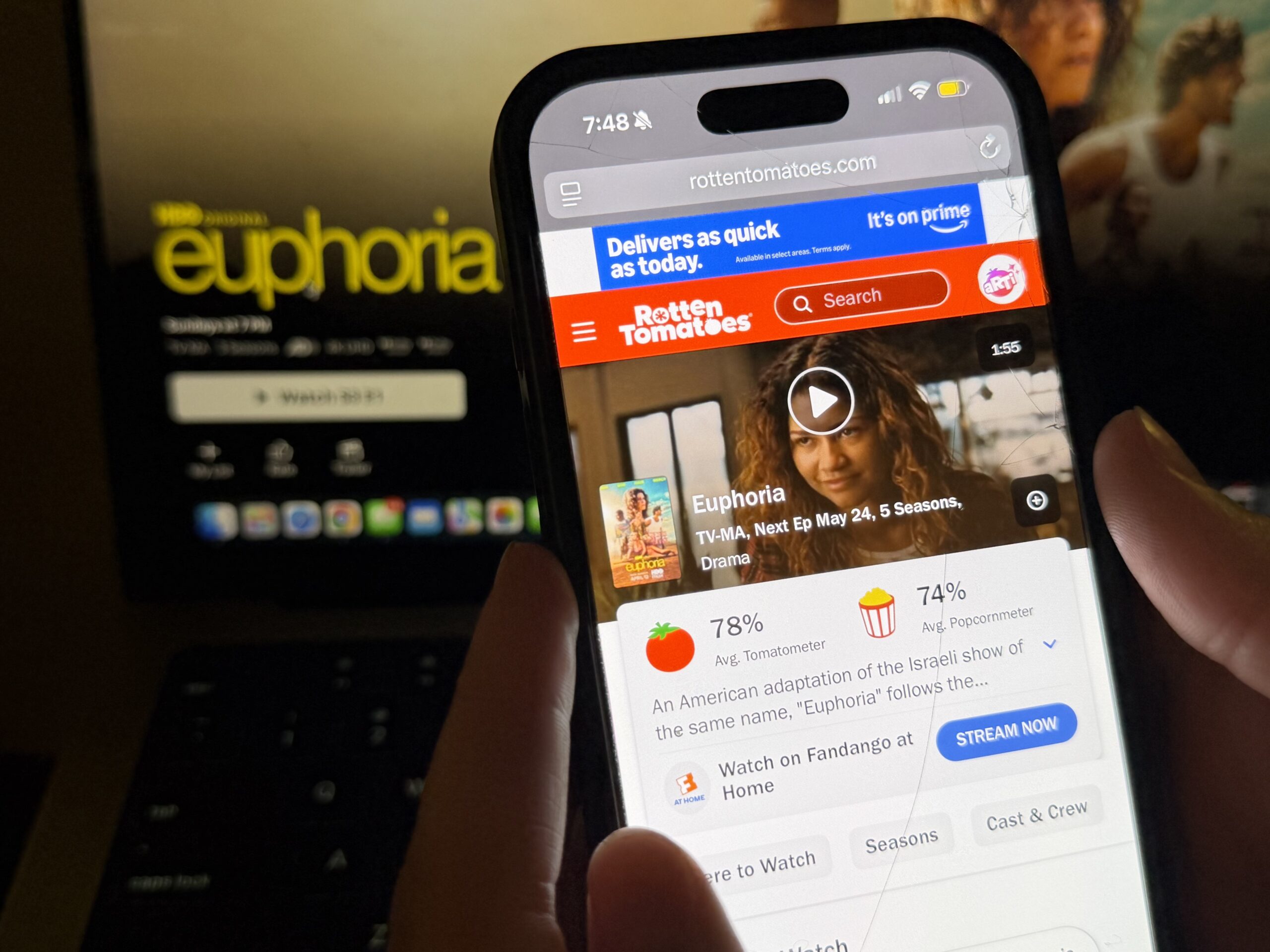
The show is still airing so it’s possible some ingenious, empowering ending is waiting but based on what I’ve seen so far, that seems doubtful. While I and eight million other viewers are still tuning into “Euphoria,” the show’s ratings have dropped significantly, from an average score on Rotten Tomatoes of 78 to 40.
“Euphoria” used to be an artful show with something to say about addiction but season three contributes little to that conversation. Although the characters are five years older, their writing has regressed.